
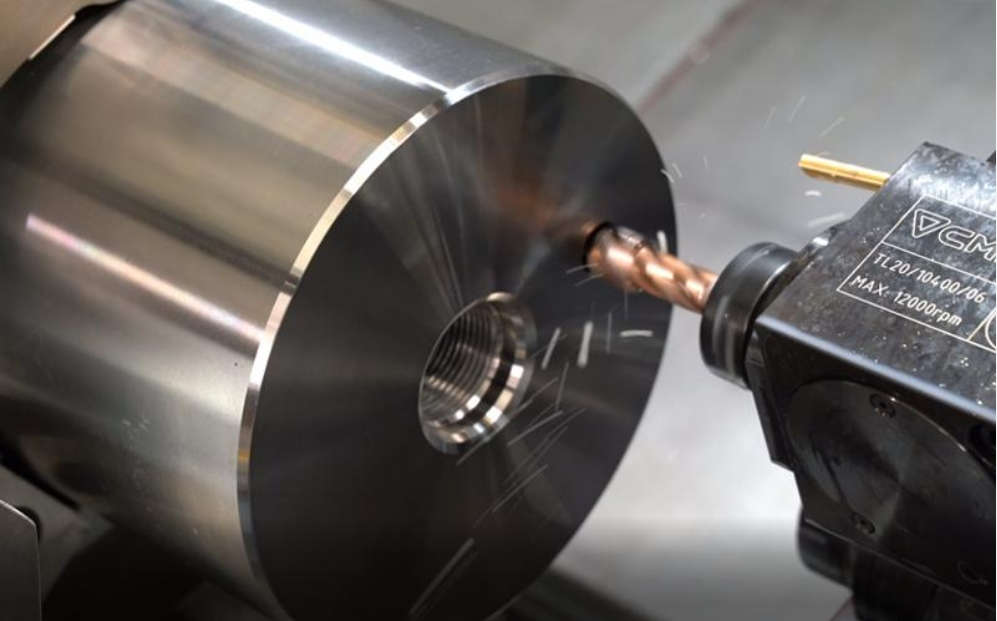
Cryogenic cooling techniques have rapidly emerged as one of the most transformative solutions for high-precision CNC cutting, particularly in industries where material integrity, dimensional accuracy, and surface finish are non-negotiable. As advanced manufacturing continues to evolve in sectors such as aerospace, automotive, medical devices, and energy production, the demand for machining exotic and difficult-to-cut materials has increased dramatically. Titanium alloys, Inconel, hardened steels, carbon fiber composites, and superalloys all present significant challenges during conventional machining, primarily due to excessive heat generation and rapid tool wear. Traditional cooling methods, such as water-based flood coolant or minimum quantity lubrication (MQL), frequently fall short when approaching ultra-tight tolerances or high-hardness materials. Cryogenic cooling, which often uses liquid nitrogen (LN2) or carbon dioxide (CO2) as the cooling medium, addresses these limitations by dramatically reducing the cutting temperature at the tool–workpiece interface. This ultra-low-temperature environment minimizes thermal distortion, improves chip evacuation, and allows CNC machines to achieve levels of precision and stability that conventional cooling systems cannot match.
One of the primary advantages of cryogenic cooling in CNC cutting is its ability to significantly extend tool life while improving machining efficiency. High temperatures generated during cutting typically accelerate tool wear, destabilize cutting geometry, and increase flank wear, crater wear, and edge chipping. When machining materials with low thermal conductivity, such as titanium or Inconel, heat accumulation becomes even more pronounced. Cryogenic cooling delivers temperature reduction directly to the cutting zone, preventing heat from penetrating the cutting tool. This results in a sharper cutting edge for longer periods, reduced friction, and improved tool stability throughout the machining process. The benefit becomes especially crucial in high-speed machining environments, where uninterrupted performance is essential for maintaining productivity and meeting stringent industry deadlines. Manufacturers adopting cryogenic cooling frequently report tool life improvements of up to 200–400 percent, minimizing both tool replacement costs and machine downtime. These performance enhancements translate into more predictable machining cycles and better part consistency, which is vital for industries that require repeatable precision at scale.
Cryogenic cooling also plays a critical role in improving surface quality and dimensional accuracy—two essential elements in high-precision CNC cutting. When cutting temperatures are poorly controlled, thermal expansion and localized heating can result in tool deflection, dimensional drift, and surface defects such as micro-cracks, tear-outs, or built-up edge (BUE). Such imperfections are unacceptable in precision-dependent industries, particularly in aerospace and medical manufacturing, where even microscopic surface inconsistencies can weaken structural integrity or compromise long-term performance. Cryogenic cooling suppresses BUE formation by maintaining a colder, more stable cutting environment that resists adhesion between tool and workpiece. The reduction in friction creates a cleaner shearing action, producing smoother surfaces with minimal need for post-processing. Additionally, lower thermal loads reduce the risk of residual stresses, which can affect fatigue life or contribute to component failure over time. For parts requiring ultra-tight tolerances—such as turbine blades, orthopedic implants, fuel injector components, or precision optical housings—cryogenic cooling supports a level of quality and consistency that aligns with the strictest engineering standards.
Beyond performance improvements, cryogenic cooling techniques also contribute to greater sustainability in CNC machining. Traditional coolant systems rely on chemical-based lubricants and coolants that require storage, filtration, disposal, and contamination management. These processes introduce environmental risks, increase operational costs, and consume substantial energy. By contrast, cryogenic cooling uses naturally occurring substances such as nitrogen or carbon dioxide—both of which evaporate harmlessly after application. Nitrogen, which constitutes 78 percent of the Earth’s atmosphere, returns to its gaseous state without leaving residue or requiring disposal. This eliminates the need for coolant recycling systems and reduces environmental impact. Moreover, cryogenic cooling often enables dry machining, which significantly reduces the generation of hazardous waste. This shift toward greener manufacturing practices supports companies pursuing sustainability initiatives, ISO 14001 certifications, or environmentally responsible production methods. It also aligns with global trends pushing for cleaner industrial operations without sacrificing technical capability.
Cryogenic cooling further enhances machining capabilities when combined with smart manufacturing technologies such as sensor-equipped CNC machines, adaptive control algorithms, and real-time process monitoring. Intelligent CNC systems can measure cutting forces, spindle temperature, tool vibration, and acoustic emissions, allowing adaptive feed rate adjustments based on live data. When integrated with cryogenic cooling, these systems dynamically regulate coolant flow, optimize cutting parameters, and stabilize machining conditions during complex toolpaths or high-precision operations. This synergy between cooling technology and digital machining intelligence enables CNC machines to achieve higher cutting speeds, deeper passes, and more aggressive material removal rates without compromising accuracy or tool health. Manufacturers can machine harder materials at lower cost, accelerate production cycles, and maintain superior repeatability across large production batches. Cryogenic cooling also supports hybrid machining, where operations such as turning, grinding, milling, and drilling are combined in a single setup for greater efficiency. This capability is particularly important for producing precision components with complex geometries or multi-surface requirements.
Ultimately, cryogenic cooling techniques represent a significant leap forward in advanced CNC machining, enabling manufacturers to achieve unparalleled levels of precision, performance, and efficiency. As industries continue to demand stronger, lighter, and more heat-resistant materials, traditional cooling systems will increasingly struggle to keep pace with the demands of high-performance machining. Cryogenic cooling not only bridges this technological gap but also unlocks new levels of capability for CNC systems. Its impact spans tool performance, component quality, sustainability, and digital integration—making it one of the most valuable innovations in modern machining. For manufacturers seeking to remain competitive in an industry defined by rapid innovation and rising performance standards, adopting cryogenic cooling is not merely an option—it is a strategic investment in the future of precision manufacturing. If you need, I can also create a RankMath SEO setup, meta title, meta description, or integrate specific keywords for optimization.