
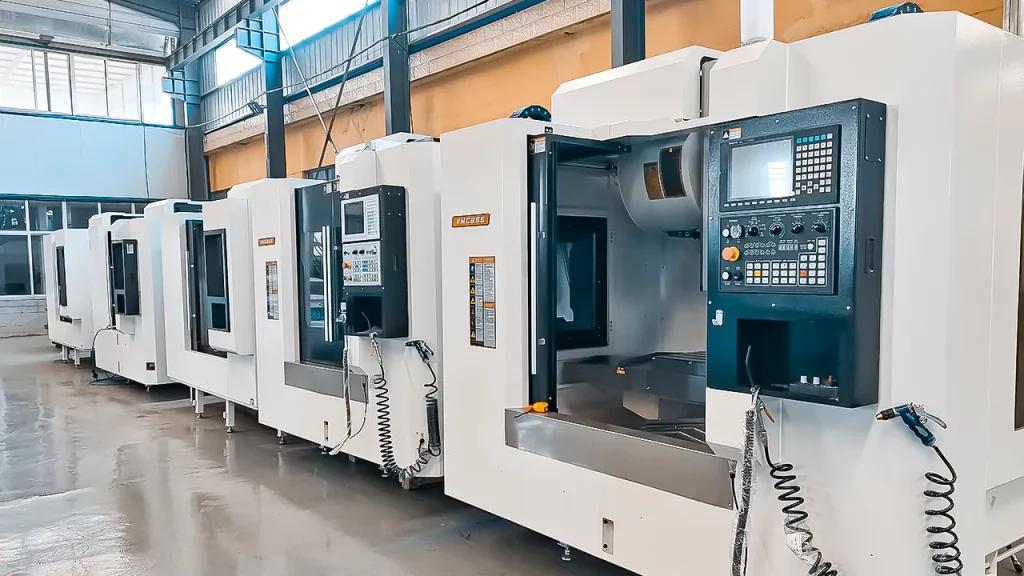
Error compensation algorithms have become a defining pillar in the evolution of next-generation CNC machines, enabling unprecedented levels of precision, reliability, and repeatability in modern manufacturing. As industries continue to shift toward ultra-complex components and micro-scale tolerances, traditional machining systems—limited by mechanical imperfections, thermal distortion, tool deflection, and dynamic load variations—can no longer meet the accuracy required for aerospace structures, medical implants, semiconductor components, and high-performance automotive parts. Next-gen CNC machines integrate advanced error compensation algorithms that operate in real time, identifying geometric deviations and adjusting machine movements instantly to maintain exact cutting paths. These algorithms analyze multiple layers of data, including spindle vibration signatures, axis positioning errors, servo lag, backlash, thermal drift, and kinematic inaccuracies, allowing CNC systems to correct deviations proactively rather than reactively. This transformative approach creates a machining environment where precision is not compromised by physical limitations, allowing manufacturers to achieve tolerances once considered unattainable.
One of the core advancements driving error compensation in next-gen CNC machines is the use of multi-axis kinematic calibration models that map every geometric error within the machine structure. Traditional CNC machines rely on mechanical alignments, rigid frames, and linear compensation tables to correct deviations, but these methods fail to capture the complex, nonlinear errors produced during high-speed or high-load machining. Modern compensation algorithms build a digital twin of the CNC machine, accounting for squareness errors, straightness deviations, rotary axis misalignments, and volumetric positioning errors across the entire working envelope. Laser interferometers, ballbars, and 3D calibration sensors generate high-precision data that feed into these compensation models. Once calibrated, the machine applies corrective offsets in real time, ensuring that every commanded position closely matches the actual cutting location. This dynamic error mapping allows next-gen CNC machines to maintain micron-level accuracy even during aggressive machining operations or when producing complex 5-axis contours, turbine blades, orthopedic implants, injection molds, or aerospace-grade housings.
Thermal error compensation represents another crucial breakthrough in next-gen CNC accuracy. Temperature fluctuations are among the biggest contributors to dimensional error, especially during long machining cycles or high spindle-speed operations. Heat generated by motors, ball screws, bearings, and cutting tools causes expansion and contraction throughout the machine, shifting critical axes and distorting machining geometry. Traditional cooling systems reduce but do not eliminate thermal drift. Adaptive thermal compensation algorithms take a more intelligent approach by monitoring temperature variations using embedded thermal sensors and applying corrections based on predictive models. Modern machine tools may integrate dozens of sensors along the spindle head, column, ball screws, and machine frame. These sensors collect real-time temperature data, which the control system uses to predict thermal deformation patterns and adjust axis positions accordingly. Advanced algorithms may even differentiate between environmental temperature changes and heat generated from the cutting process. The result is a dramatic improvement in long-term machining stability, ensuring consistent precision during extended production runs, multi-shift operations, or Mach 5 spindle environments where traditional systems suffer from cumulative thermal errors.
Next-gen CNC machines also leverage AI-driven error compensation to address dynamic machining challenges such as tool wear, micro-chatter, and servo lag. Machine learning algorithms analyze cutting forces, spindle power consumption, acoustic emissions, vibration patterns, and toolpath deviations to detect emerging errors before they become problematic. This predictive capability allows the CNC controller to modify feed rates, adjust spindle torque, or apply micro-offsets during the machining process. For example, when the algorithm detects early-stage tool wear, it compensates by adjusting the toolpath or feed rate to maintain consistent cutting geometry. Similarly, chatter suppression algorithms identify vibration frequencies associated with tool instability and adjust machining parameters to regain stability. AI-enabled compensation is especially valuable for machining superalloys, hardened steels, and advanced composites—materials where slightest deviations can lead to rapid tool degradation or catastrophic cutting failure. By integrating predictive analytics, next-gen CNC machines achieve a level of consistency and process intelligence that significantly reduces scrap rates, improves surface finish, and enhances tooling efficiency across high-precision manufacturing environments.
Error compensation algorithms also play an essential role in supporting automation, smart manufacturing, and lights-out machining. As factories move toward unmanned or minimally supervised production environments, CNC machines must maintain precision without manual adjustments, routine inspections, or operator intervention. Advanced compensation systems ensure that even when machining batches of parts overnight, the machine automatically corrects for axis drift, spindle errors, thermal fluctuation, and tool degradation. Integration with IoT platforms allows CNC machines to share performance data across digital networks, enabling supervisors and engineers to monitor machine accuracy remotely. Compensation algorithms may also interact with predictive maintenance systems, detecting anomalies in servo motors, bearings, or ball screws that indicate upcoming failures. This synergy between automation and error compensation creates a manufacturing ecosystem where accuracy is maintained continuously, even under varying loads, temperatures, and tool conditions. The ability to run stable, unattended machining cycles empowers manufacturers to reduce labor costs, increase machine utilization rates, and achieve reliable high-volume production without sacrificing precision.
Ultimately, the rise of error compensation algorithms marks a new era in CNC machining—one where precision is no longer limited by mechanical imperfections or environmental variables but instead enhanced through intelligent, data-driven adaptation. These algorithms enable next-gen CNC machines to achieve previously impossible levels of accuracy, repeatability, and long-term consistency. From aerospace turbine disks and hypersonic components to medical implants and ultra-fine semiconductor housings, the demands of modern engineering require machining systems capable of self-monitoring and self-correcting with unparalleled speed and accuracy. Error compensation algorithms provide exactly that capability. As CNC technology continues to advance, these algorithms will become increasingly sophisticated, integrating deeper machine learning models, real-time data fusion, digital twin simulations, and autonomous decision-making. For manufacturers committed to innovation and precision, adopting next-gen CNC machines with advanced error compensation systems is not simply an upgrade—it is an essential step toward competing in a global market where accuracy, reliability, and intelligence define the future of manufacturing.