
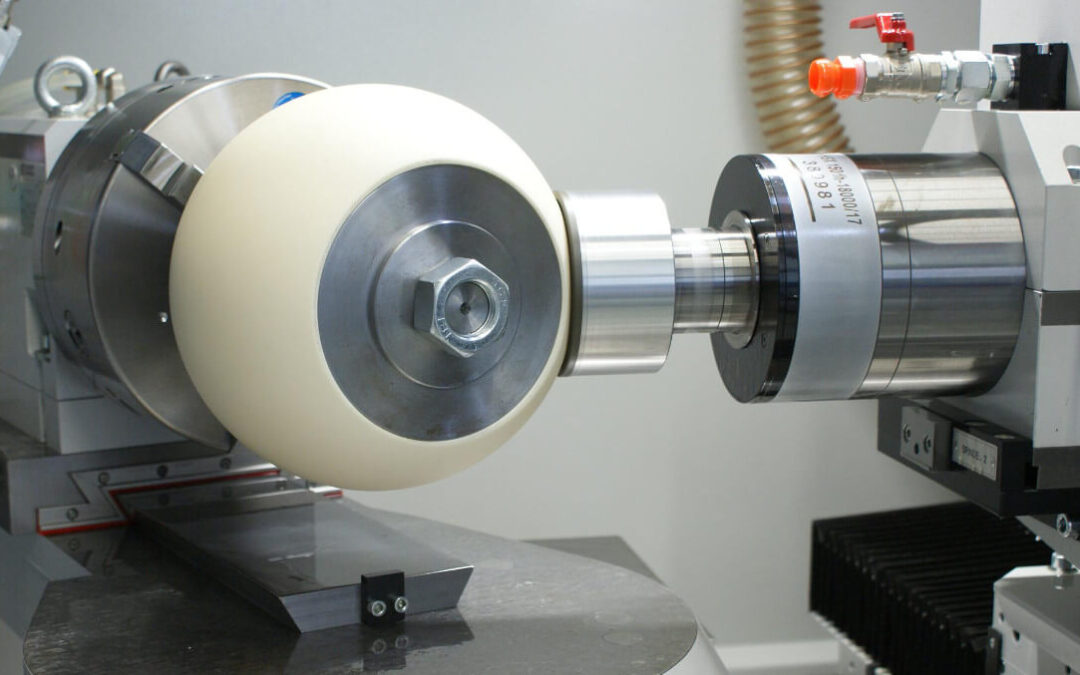
CNC machining of hard-to-cut ceramics and carbides has emerged as one of the most demanding yet strategically valuable capabilities in modern manufacturing. Industries such as aerospace, semiconductor fabrication, medical devices, energy systems, and advanced tooling rely heavily on components that can withstand extreme temperatures, corrosive environments, and high mechanical loads. Ceramics like alumina, zirconia, silicon nitride, and silicon carbide, along with tungsten carbide and boron carbide, offer exceptional hardness and thermal stability—making them indispensable for cutting tools, wear-resistant parts, valves, nozzles, bearings, and precision optical components. However, the very properties that make these materials so desirable also make them notoriously challenging to machine. Traditional machining methods struggle due to material brittleness, rapid tool wear, and heat concentration. As SEO algorithms increasingly favor authoritative and technically detailed content, exploring advanced CNC machining solutions for these materials helps manufacturers understand how to overcome these challenges while achieving exceptional part quality, dimensional accuracy, and production efficiency. With the right processes and technologies, CNC machining can unlock new possibilities for shaping ceramics and carbides into high-performance components for the most demanding applications.
The fundamental challenge in machining ceramics and carbides lies in their extreme hardness and low fracture toughness. Ceramics often rank above 9 on the Mohs hardness scale, while tungsten carbide possesses hardness comparable to hardened tool steel and exceptional wear resistance. Unlike metals, which deform plastically under cutting forces, ceramics tend to crack or chip if cutting loads are not tightly controlled. Standard tooling made from carbide or high-speed steel is quickly worn down or destroyed when exposed to ceramic materials. This has historically forced manufacturers to rely on grinding, EDM, or diamond cutting processes instead of conventional CNC machining. However, recent advancements in tool materials, machine rigidity, and ultra-precision motion control have made it possible to machine certain ceramics and carbides with surprising accuracy. Polycrystalline diamond (PCD) tools, chemical vapor deposition (CVD) diamond coatings, and binderless diamond tools now enable controlled material removal with significantly reduced chipping. Combined with optimized toolpaths, vibration damping, and coolant strategies, CNC machining can achieve micron-level accuracy and exceptional surface finish even on ultra-hard materials. These breakthroughs continue to shape the future of advanced material processing across multiple industries.
High-performance machining strategies play a vital role in enabling successful CNC operations on hard-to-cut ceramics and carbides. Unlike machining metals, where aggressive cuts and high feed rates are often used to maximize efficiency, working with ceramics requires ultra-light cutting forces, precise engagement control, and stable tool movements. High-speed machining, often at spindle speeds above 20,000 rpm, reduces cutting loads and minimizes the risk of catastrophic fractures by ensuring small chip formation. In many cases, machining is performed with extremely shallow depths of cut—sometimes just a few microns per pass—to preserve surface integrity and avoid introducing microcracks. Rigid machine structures, hybrid ceramic spindle bearings, and thermal compensation systems are essential for preventing vibration, thermal drift, and tool deflection. Multi-axis CNC capabilities further improve outcomes by allowing the tool to maintain optimal cutting orientation, reducing stress on both the material and the tool. Advanced CAM software provides precision toolpath algorithms designed specifically for hard materials, ensuring minimal tool pressure, controlled chip evacuation, and consistent surface contact. These strategies collectively enable machining processes that were once considered nearly impossible using conventional technologies.
Coolant application and thermal management are also crucial when machining ceramics and carbides, though the requirements differ markedly from machining metals. Many ceramics exhibit low thermal conductivity, meaning heat remains concentrated at the cutting zone. Excessive heat can cause microstructural changes, internal stresses, crack propagation, or tool damage. As a result, flood coolant or high-pressure cooling is often used to dissipate heat immediately and flush out fine abrasive debris that can accelerate tool wear. In some cases, machining is performed dry or with minimal lubrication when coolant could cause thermal shock or material degradation. For carbides, which combine extreme hardness with improved toughness compared to ceramics, lubrication helps prevent premature binder degradation and maintains consistent cutting conditions. Additionally, air blast cooling is frequently used during ultra-precision machining to prevent coolant-induced distortion or contamination. The choice of coolant strategy depends on material chemistry, desired surface finish, and part geometry, making thermal management a critical factor in producing consistent, high-quality components.
Surface finishes and dimensional precision achieved through CNC machining of ceramics and carbides have improved dramatically in recent years. Where early machining attempts frequently resulted in surface cracking, chipping, or excessive roughness, modern diamond tooling and optimized feeds and speeds enable mirror-level surface finishes that approach those achieved through grinding or lapping. This is especially important for components such as ceramic bearings, medical implants, aerospace sensor housings, microfluidic channels, and semiconductor equipment parts, where smooth surfaces are essential for performance and longevity. With proper tool selection and machining parameters, CNC machining can deliver Ra values in the sub-micron range. In applications requiring optical-grade surfaces, CNC machining can be combined with post-processing steps such as polishing, laser smoothing, or chemical finishing to achieve even higher levels of precision. Dimensional tolerances of ±0.005 mm or better are common with advanced setups, making CNC machining a viable solution for producing tightly controlled ceramic and carbide components in low to mid-volume production runs. This capability significantly enhances flexibility for manufacturers who need rapid prototyping, complex geometries, or custom parts without the long lead times associated with grinding-only fabrication.
Looking ahead, CNC machining of hard-to-cut ceramics and carbides will continue to advance as tool materials, machine architectures, and digital technologies evolve. Innovations in diamond tool manufacturing, such as nano-engineered diamond coatings, binderless diamond composites, and laser-finished cutting edges, will further improve tool life and cut quality. Hybrid machining systems that combine milling, grinding, laser-assisted machining, and ultrasonic vibration will play a major role in expanding what is possible with brittle, high-hardness materials. Ultrasonic-assisted machining, for example, reduces cutting forces by creating micro-vibrations that allow tools to slice rather than fracture the material, resulting in smoother surfaces and reduced tool wear. Laser-assisted machining softens the surface of ultra-hard materials just before cutting, allowing conventional tools to remove material more easily. Digital twin simulation, AI-driven toolpath optimization, and in-process metrology will make machining more predictable, reducing trial-and-error and boosting overall productivity. As industries continue to push the boundaries of material performance, CNC machining will remain essential for shaping advanced ceramics and carbides into high-precision components that support next-generation engineering solutions. Through the strategic integration of advanced tooling, precision machining techniques, and intelligent manufacturing systems, CNC machining will empower manufacturers to achieve exceptional results even with the world’s most difficult-to-cut materials—unlocking new levels of innovation, durability, and performance in modern production.